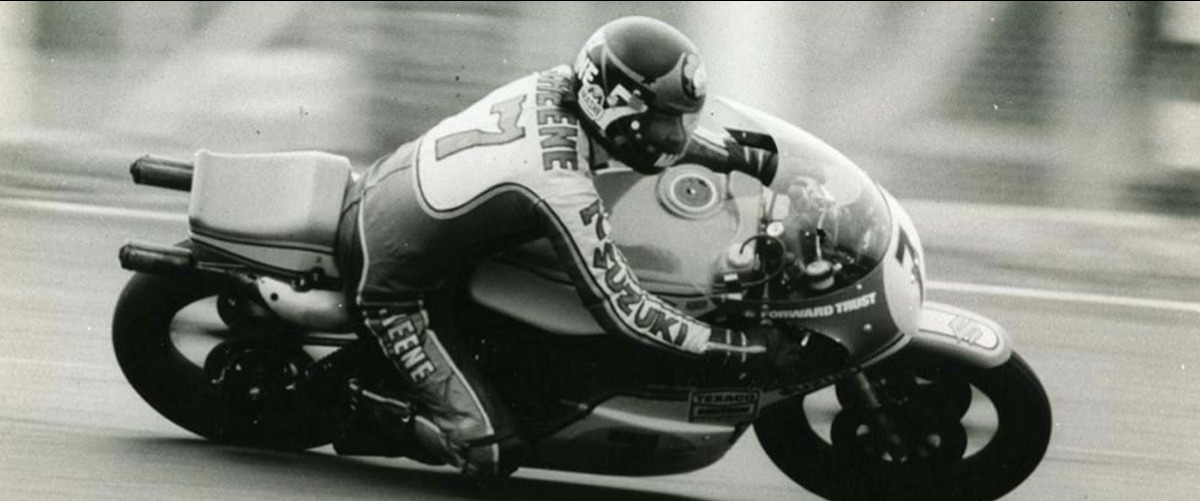
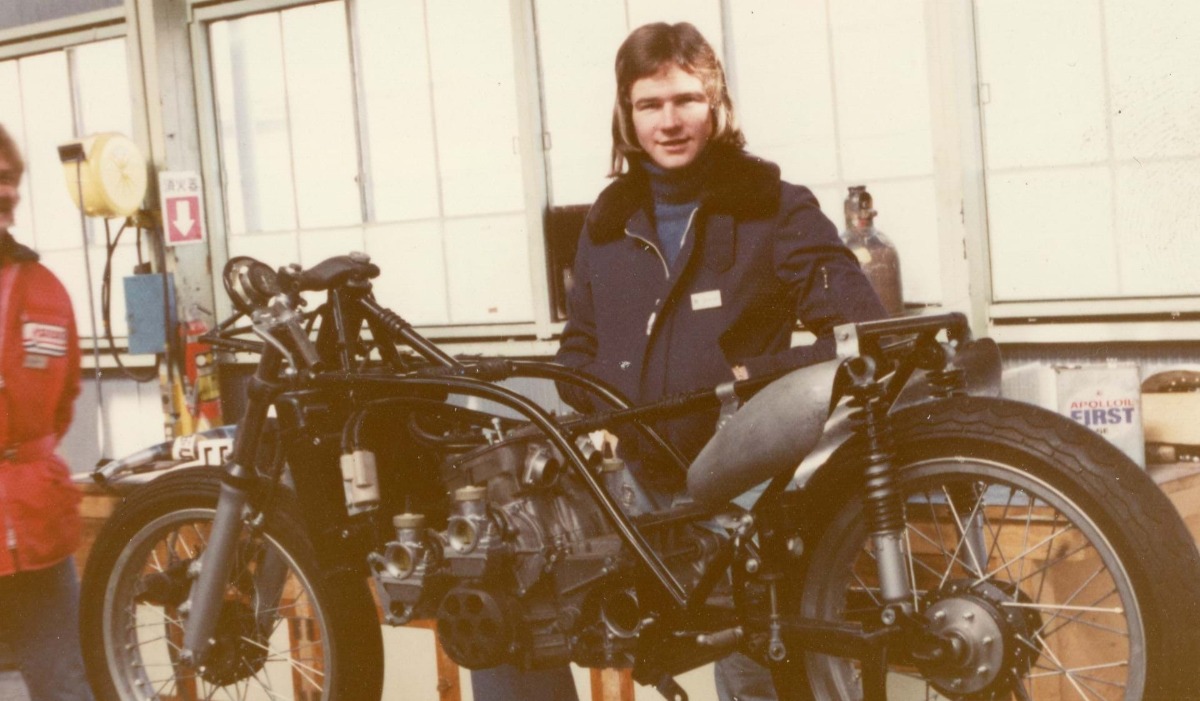
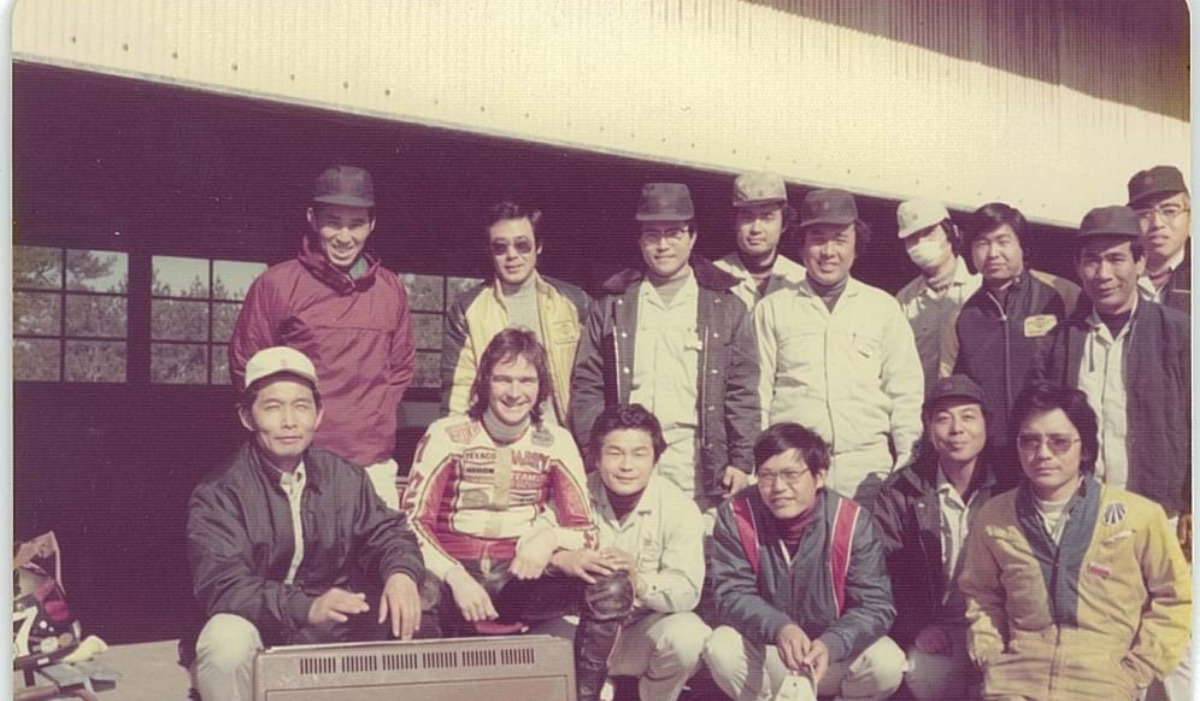
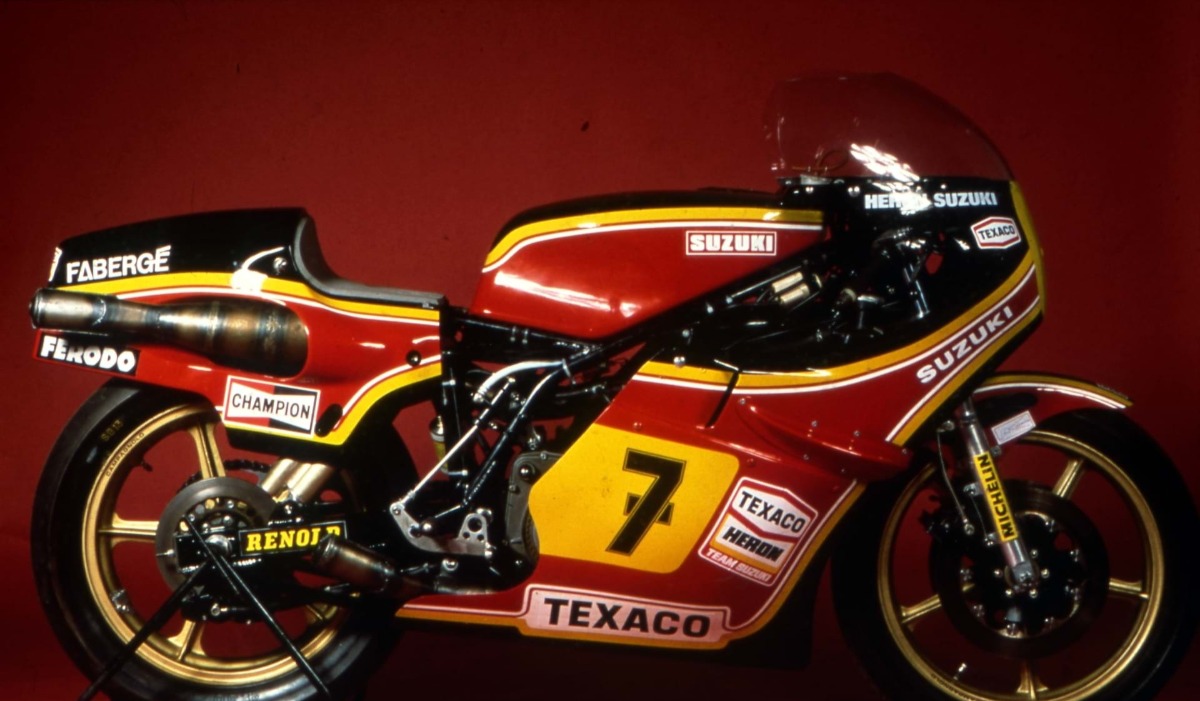
Although nowadays GP racing has reverted to four-stroke, the bike that Suzuki built demonstrated that two-strokes are very good at producing power. While this was good news for the engine’s development team, the chassis engineers were faced with some tough challenges.
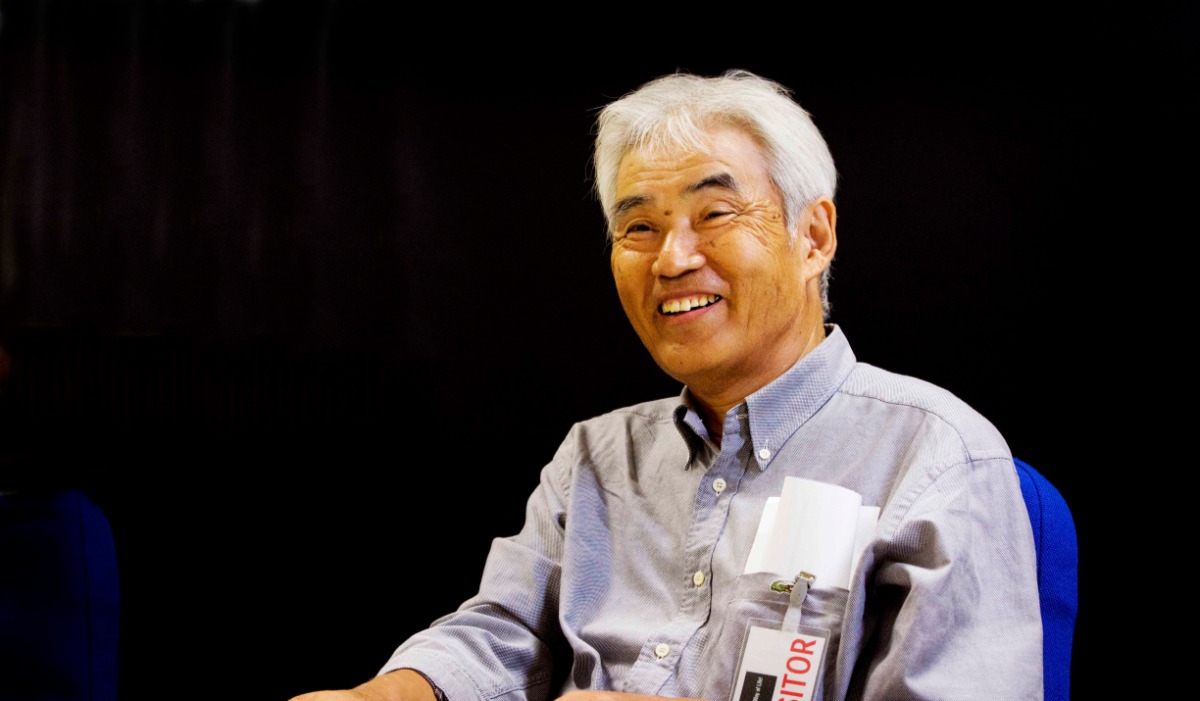
“With the bike we aimed for over 100bhp, but it made 110bhp in the end,” said Makoto Suzuki, “which would have been an issue for the chassis had we not been racing the XR11 in America. The XR11 was a 750cc triple with lots of power so we had all the chassis issues with this bike. In America we suffered torn tyres, snapped drive chains, overwhelmed suspension, it was terrible, the chassis development was so far behind the engine.
“For the RG500 we used the knowledge from the XR11 to build a good chassis, however the engine was very hard to ride and peaky. The power was produced from 8,000 – 10,500rpm, that was it, but the GP mechanics at the circuit could alter these characteristics with exhausts and jets at the circuits. At that time there was a lot of experimentation and development happening, we were looking for inspiration from everywhere, even household items.
“The original exhaust end cans on the RG500 were modified green tea cans, they looked the correct size so I introduced this technology into the GP bike.”